-Ibara, Nigeria.
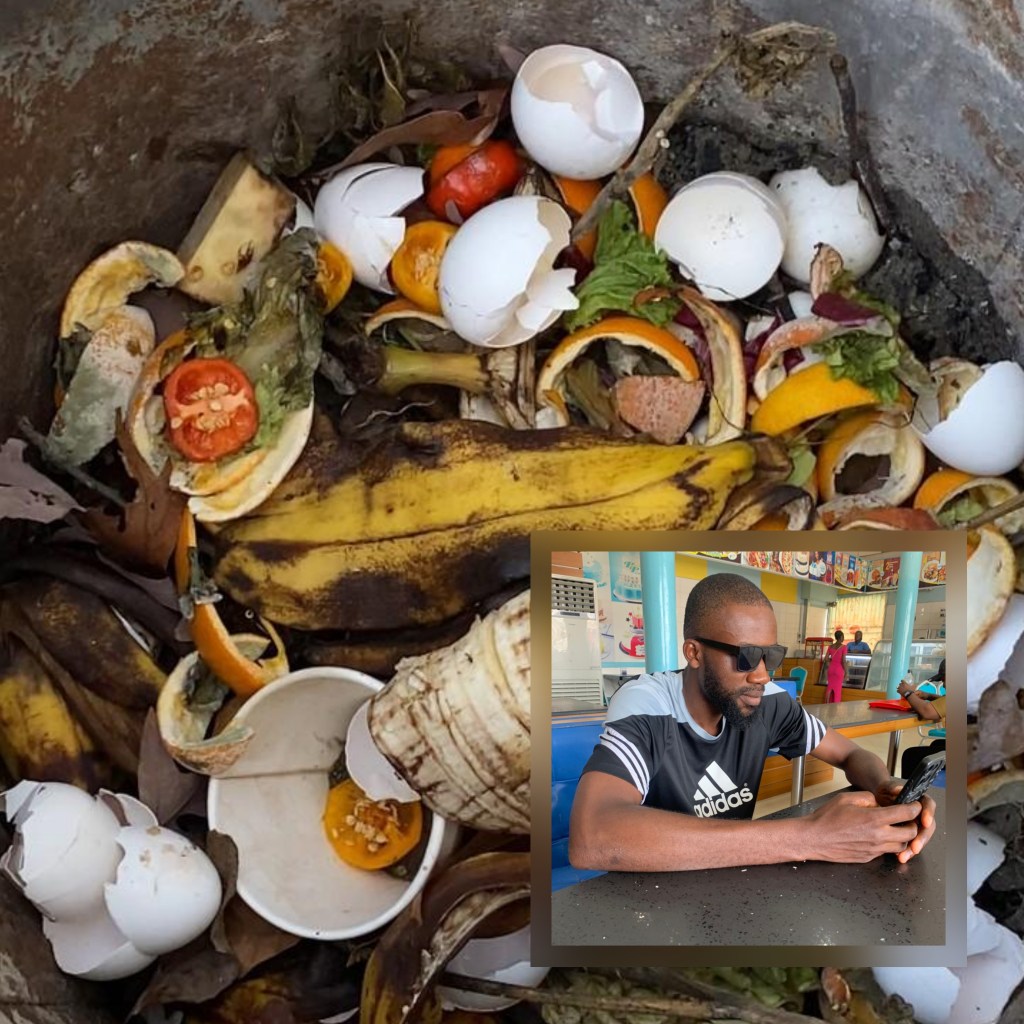
For effective composting, it’s essential to know which types of household waste can be used and how they contribute to the compost. Domestic waste can be divided into two main types for composting purposes: green waste and brown waste.
Green Waste: This includes fresh, moist organic materials such as vegetable scraps, fruit peels, coffee grounds, and eggshells. Green waste is rich in nitrogen, which plays a vital role in feeding the microorganisms that break down organic materials in the compost pile. Nitrogen helps to accelerate decomposition, making the composting process quicker and more efficient.
Brown Waste: This includes dry, fibrous materials like cardboard, paper, dead leaves, and small twigs. Brown waste is high in carbon, which acts as an energy source for the composting microorganisms. Carbon is essential because it balances the high nitrogen levels from green waste. A proper carbon-to-nitrogen ratio helps create a compost that decomposes well without causing unpleasant odors.
By adding a mix of green and brown waste to your compost in the right proportions, typically two parts brown to one part green, you’ll create an ideal environment for microorganisms to thrive, ensuring a balanced, nutrient-rich compost.
 Paschal Farms International.
Leave a comment