In commercial poultry operations, chick sexing is a critical process to ensure the selection of the desired birds for egg production or meat. One of the most common methods used is feather sexing, which relies on differences in the rate of feather growth between males and females. Female chicks typically have slightly longer wing feathers than males, making this a practical and quick method in some breeds.
Another widely used technique is vent sexing, where trained professionals examine the chick’s cloaca to identify its gender. This method, though more time-consuming, provides high accuracy but requires specialized training to perform correctly.
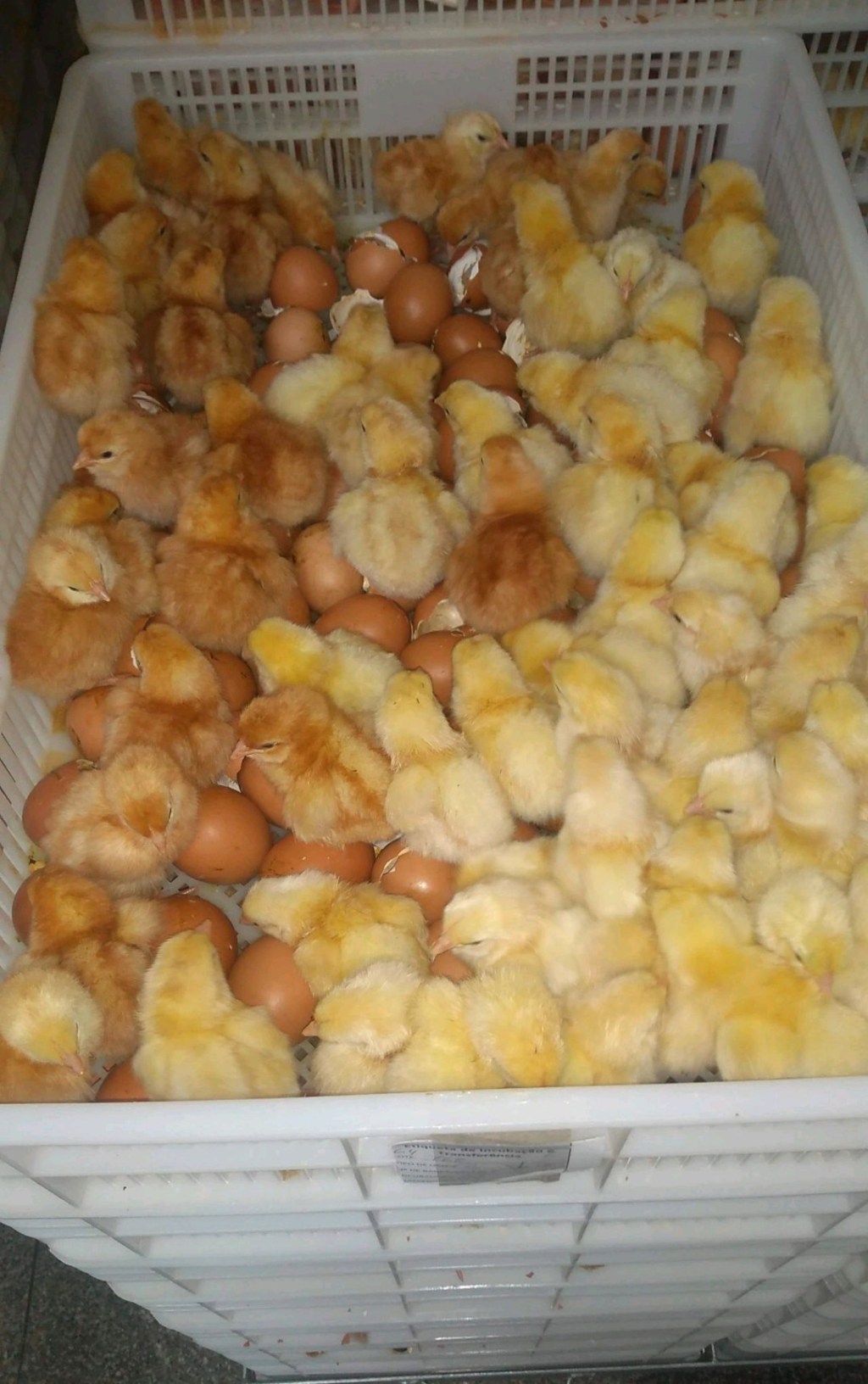
In certain breeds, particularly those developed through sex-link breeding, chicks hatch with distinguishable feather colors that correlate with their sex. For instance, in some sex-linked hybrids, females may be red or brown, while males are white. This method is efficient but only applies to specific crossbreeds designed for this trait.
In most commercial hatcheries, reliance on color as a general method for sexing is uncommon, as it varies significantly between breeds. Instead, the industry often favors vent and feather sexing techniques for their precision and broader applicability across different types of poultry.
Recent posts
Quote of the week
"People ask me what I do in the winter when there's no baseball. I'll tell you what I do. I stare out the window and wait for spring."
~ Rogers Hornsby
Paschal Farms International.
About
A passionate baseball fan blog celebrating America's favorite pastime.


Leave a Reply