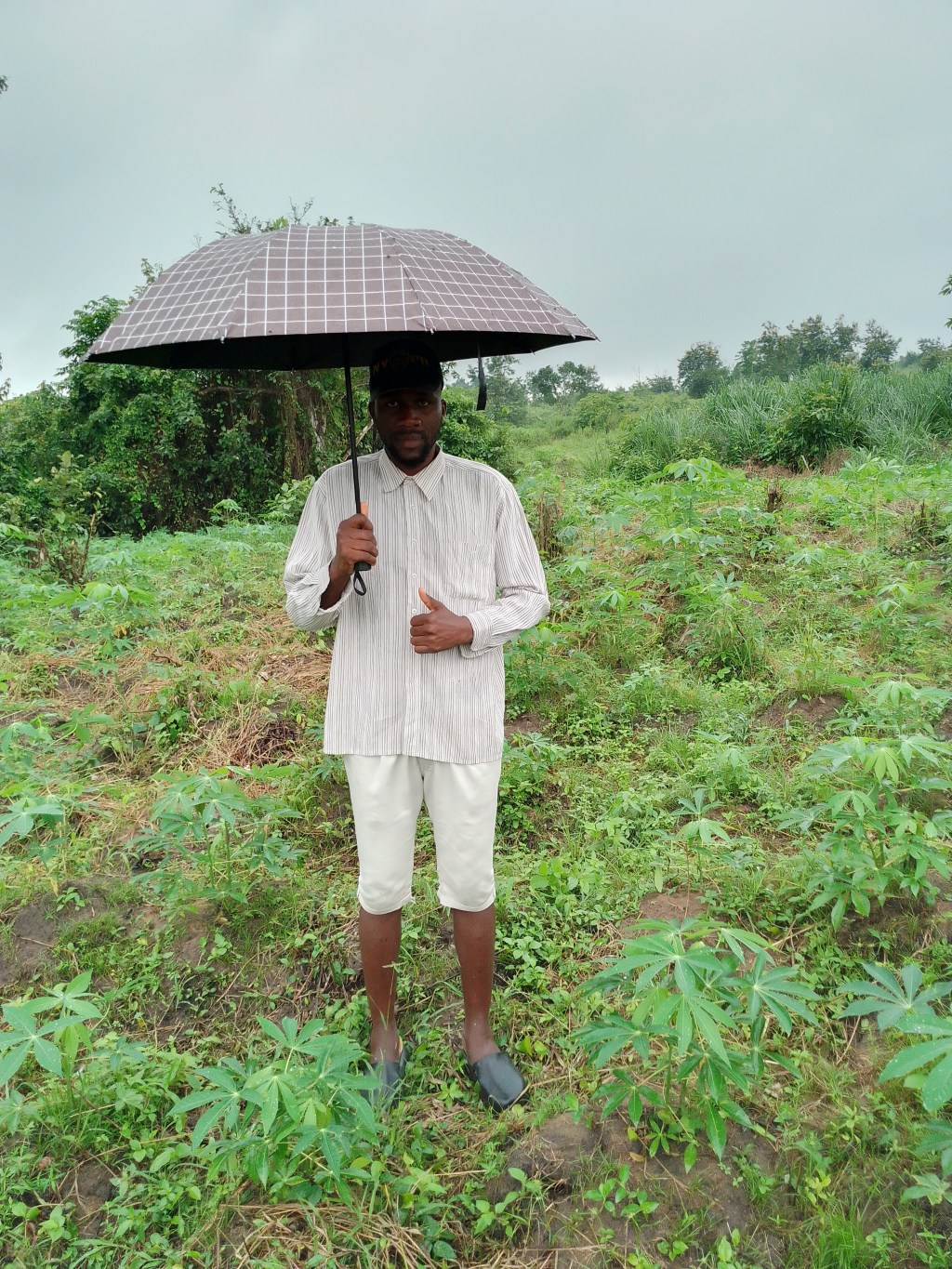
-Ibadan, Nigeria.
By Paschal Nnaemeka Uchechukwu (crop sci.)
As an agricultural expert working closely with farmers across Nigeria, I am deeply concerned by the level of misinformation being spread about genetically modified (GMO) foods. Too many people are rejecting GMO crops based on fear, not facts and this is hurting our progress as a nation.
Let me be clear: GMO foods are safe. They have been studied for over 30 years, tested rigorously by scientists worldwide, and approved by our own Nigerian authorities including NAFDAC and NBMA. The false claims that GMOs cause cancer, infertility, or DNA damage are simply not backed by any scientific evidence.
Here’s the science: when you eat GMO foods whether it’s GMO beans, maize, or rice — your body treats it just like any other food. The proteins and DNA in those crops are broken down in your stomach and intestines into amino acids and nucleotides. These are the same building blocks you get from regular foods. Your body does not absorb GMO genes. They don’t enter your bloodstream, they don’t alter your DNA, and they certainly don’t turn you into a plant or cause disease. This is basic biology.
In fact, the only difference between a GMO crop and a regular one is that a useful gene has been added to help the plant resist pests, survive drought, or improve nutrition. That’s it. Nothing scary.
Take our locally developed Bt Cowpea, for example. It was created specifically for Nigerian farmers to fight the destructive pod borer pest, saving them money on pesticides and improving yields. Why would anyone reject that kind of progress?
Nigeria is facing food insecurity, declining yields, and rising agricultural costs. We can’t afford to throw away safe, proven technologies because of WhatsApp rumors and anti-science propaganda. Those who oppose GMOs without evidence are not helping Nigeria, they are standing in the way of food security, youth empowerment in agribusiness, and national development.
This is not about foreign interests or conspiracies. This is about using science to solve our problems. And if we are serious about feeding over 200 million Nigerians sustainably, we must embrace innovation including GMO technology with open minds and responsible policies.
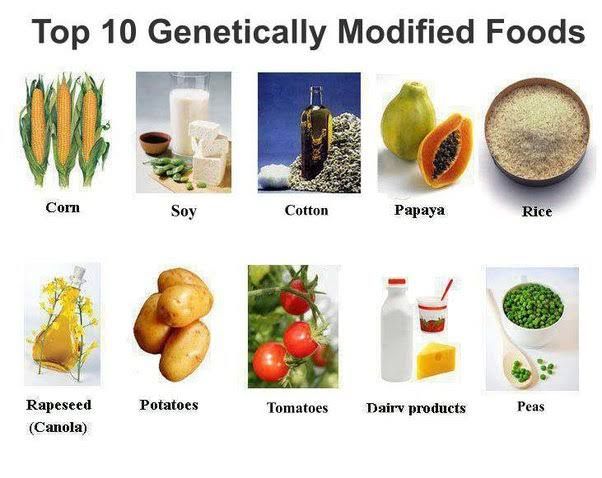
 Paschal Farms International.
Leave a comment