
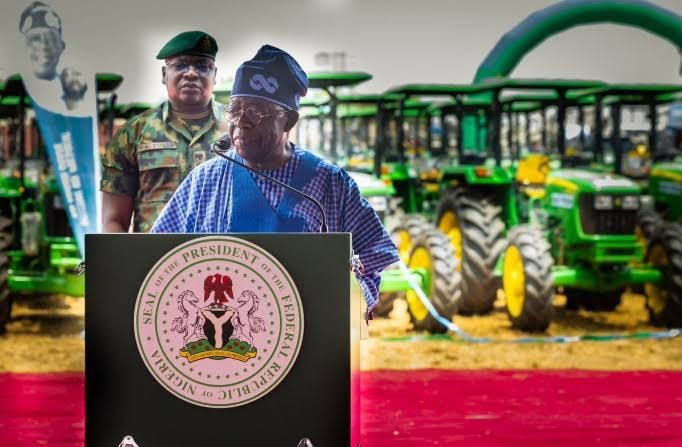

-Abuja
By Paschal, Agronomist and Crop Scientist.
In recent times, the Nigerian government, under President Bola Ahmed Tinubu, has taken significant strides toward transforming agriculture. With initiatives such as the dry season farming program, mechanization partnerships, and massive input distribution, the administration has shown clear intent to revitalize the sector. However, the question remains: how can these commendable efforts lead to tangible food security for Nigerians?
To begin with, it is critical to address one of the most pressing challenges in the food system—post-harvest losses. Despite increased production, a significant portion of crops never make it to the market due to poor storage facilities and logistics. Without efficient preservation and transportation systems, especially for perishables, these efforts will not translate into lower food prices or improved nutrition. Investing in cold chain infrastructure, decentralized storage hubs, and farmer training in handling techniques can drastically reduce these losses.
Another cornerstone of sustainable agricultural transformation is effective extension services. Many smallholder farmers operate with outdated knowledge and minimal access to new technologies or climate-smart practices. Strengthening extension systems through a blend of physical outreach and digital platforms will empower farmers with actionable insights, improving yield and resilience.
While the government’s mechanization plans, particularly the partnership with John Deere to supply tractors, are promising, accessibility remains a concern. Machines should not be concentrated in urban centers or available only to large-scale farmers. Establishing rural mechanization hubs and affordable leasing systems can democratize access and increase efficiency in food production.
Furthermore, Nigeria’s heavy reliance on rainfall necessitates a shift toward irrigated agriculture. Many states still suffer from seasonal droughts and erratic weather patterns. Expanding and modernizing irrigation systems, including the adoption of water-efficient technologies like drip irrigation, is vital for consistent and off-season farming.
Food security also hinges on price stability. Inflationary pressure continues to erode the purchasing power of citizens, despite increased production. Strategic release of grains from reserves, import tariff adjustments on key staples, and tighter regulation of food supply chains will help curb artificial scarcity and speculation.
Additionally, there is a need to bridge the gap between farm and market through better rural infrastructure. Poor road networks in farming communities often inflate post-harvest costs and limit market access. Investing in feeder roads, aggregation centers, and transport logistics is not just a matter of convenience—it is a food security imperative.
Nutrition-sensitive agriculture must not be overlooked. It is no longer enough to focus solely on staple production. The inclusion of nutrient-rich crops, home gardens, and school feeding programs can tackle hidden hunger and improve overall well-being, particularly among vulnerable populations.
Lastly, monitoring and evaluation must become standard practice. The success of any agricultural policy depends on transparency and data-driven decision-making. Implementing real-time tracking systems and engaging farmers in feedback loops will help identify what works, what doesn’t, and where efforts should be intensified.
In conclusion, the Tinubu administration’s current initiatives have laid a strong foundation, but transforming these efforts into true food security requires a holistic and inclusive approach. Prioritizing storage, extension, irrigation, access to inputs and markets, and nutrition will ensure that agriculture truly feeds the nation both in quantity and quality.
☎️07057674512
 Paschal Farms International.
Leave a comment