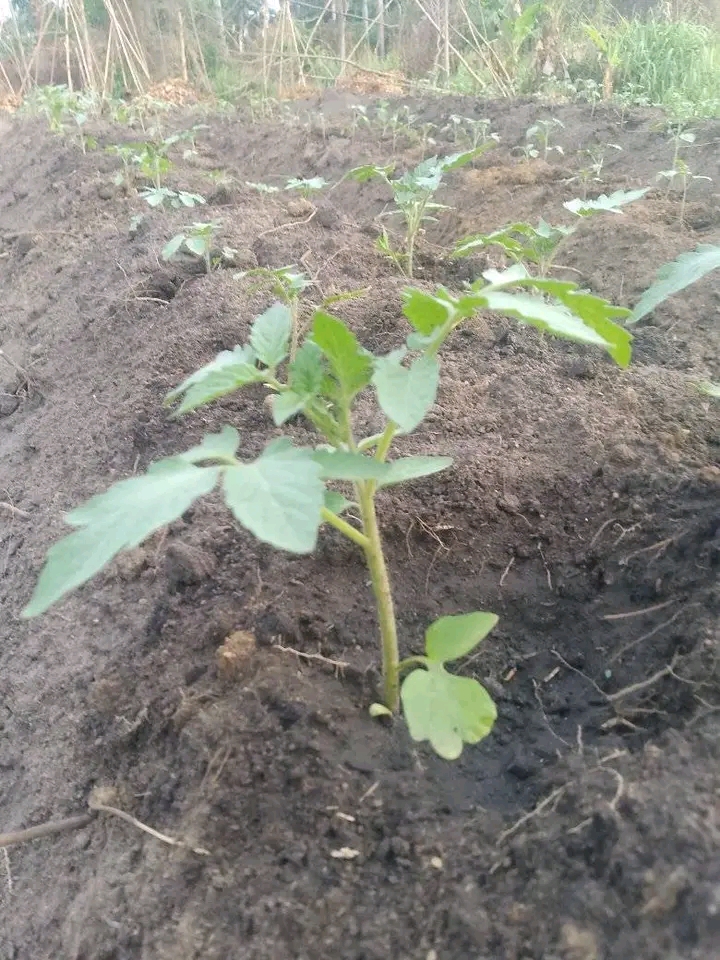
-Oshodi.
By Paschal Nnaemeka.
A prospective client recently told me, “You are the only one saying I can grow tomatoes without mulch.” That statement stuck with me because it highlights a common misconception in tomato farming. Many believe plastic mulch is a necessity, but in reality, it’s just one of many tools available to farmers.
Plastic mulch certainly has its advantages, it helps suppress weeds, retain moisture, and regulate soil temperature. But it’s not the only way to achieve these benefits. Organic mulches like straw, grass clippings, and wood chips can be just as effective while also enriching the soil and reducing plastic waste. Some farmers even go without mulch entirely, relying on proper irrigation, spacing, and weed management to maintain healthy crops.
Skipping mulch isn’t for everyone, but it can work in the right conditions. In areas with adequate rainfall and well-drained soils, leaving the soil bare can improve root aeration and prevent moisture-related diseases. The key is understanding the specific needs of your farm and adapting your practices accordingly.
At the end of the day, farming isn’t about following trends, it’s about making informed decisions that work for your land.
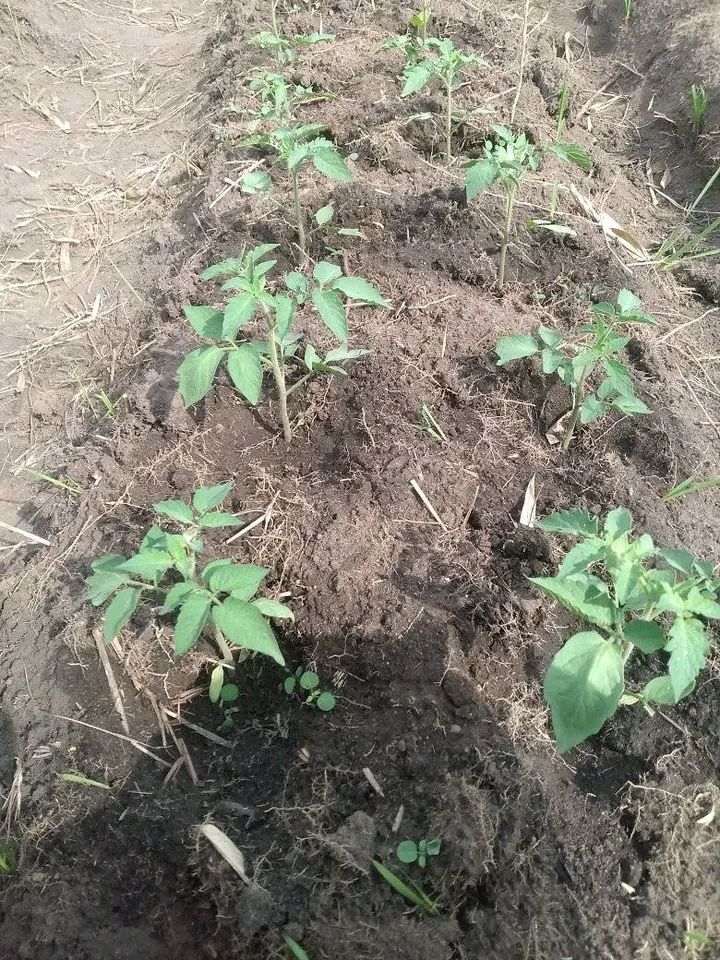
 Paschal Farms International.
Leave a comment