-Kaduna.
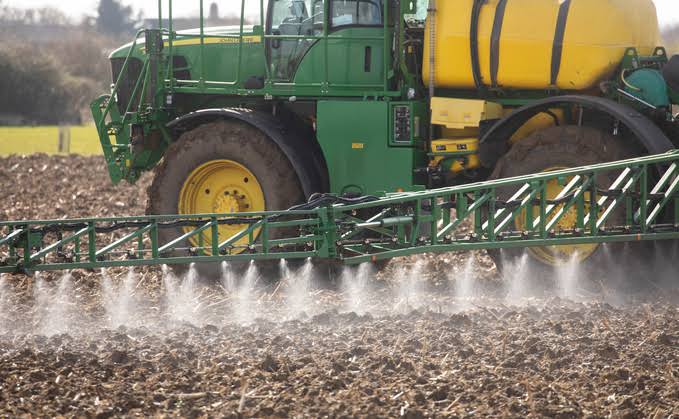
The recent discovery of glyphosate-resistant weeds in the UK is a wake-up call for farmers around the world. It highlights the risks of relying too heavily on a single herbicide like glyphosate. To prevent this resistance from spreading, it’s important to diversify weed management strategies. This means using a mix of methods, such as crop rotation, cover crops, and mechanical control, in addition to chemical treatments.
Regular monitoring of weed populations and early detection of resistance can help farmers act before it becomes a widespread issue. Educating farmers on responsible herbicide use is crucial—applying the right amount at the right time is key to maintaining effectiveness.
Resistance not only affects crop yields but can also lead to higher costs for alternative weed control. This makes it essential for farmers, especially smaller ones, to plan for the possibility of herbicide resistance and seek cost-effective, sustainable solutions.
Ultimately, the emergence of resistance serves as a reminder that effective farm management is about balance—integrating chemical, biological, and cultural practices to maintain productivity and environmental health. The future of farming will depend on embracing diverse, sustainable methods that minimize dependence on harmful chemicals while ensuring food security.
 Paschal Farms International.
Leave a comment