-Washington DC.
Electro-agriculture could revolutionize farming by allowing crops to grow without sunlight, a major shift from the traditional reliance on photosynthesis, which is not very efficient—capturing only about 1% of light energy. This new method uses solar power to convert CO₂ into acetate, which genetically engineered plants can use as a food source.
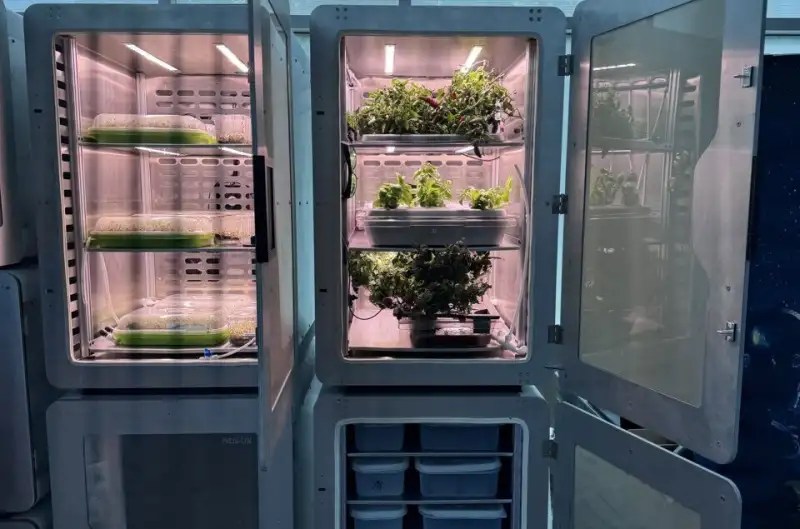
For farmers, this technology means the possibility of growing crops indoors, in controlled environments like vertical farms, which could reduce the need for large amounts of land by up to 94%. It also opens up opportunities in regions with tough climates or poor soil, and even for food production in space. This could cut down on transportation costs by enabling food production closer to cities, while also reducing environmental impacts.
The research behind this innovation is being led by Robert Jinkerson at the University of California, Riverside, and Feng Jiao at Washington University in St. Louis. Their work involves modifying plants like tomatoes and lettuce to use acetate alongside photosynthesis, with the hope of eventually applying this to other crops like cassava and sweet potatoes. Although their progress is promising, they are still refining the process to make it more efficient and affordable.
In the short term, this approach could be more practical for organisms like mushrooms, yeast, and algae, which already use acetate naturally. While it may take time before this technology is widely available to farmers, the efforts of Jinkerson, Jiao, and their teams could mark the beginning of a new era in farming—one where production is less dependent on natural conditions and more integrated with advanced technology, offering a new way to ensure sustainable food production.
 Paschal Farms International.
Leave a comment