-Ita oshin, Nigeria.
Soil testing plays a vital role in successful farming, but it’s often disregarded by some farmers. As a crop scientist, I always stress that understanding the soil’s characteristics such as its pH, nutrient levels, and potential toxicities before planting can make a big difference in crop health and yield. Soil testing gives farmers the information they need to adjust their soil management practices, like fertilization and liming, to create the best possible conditions for their crops.
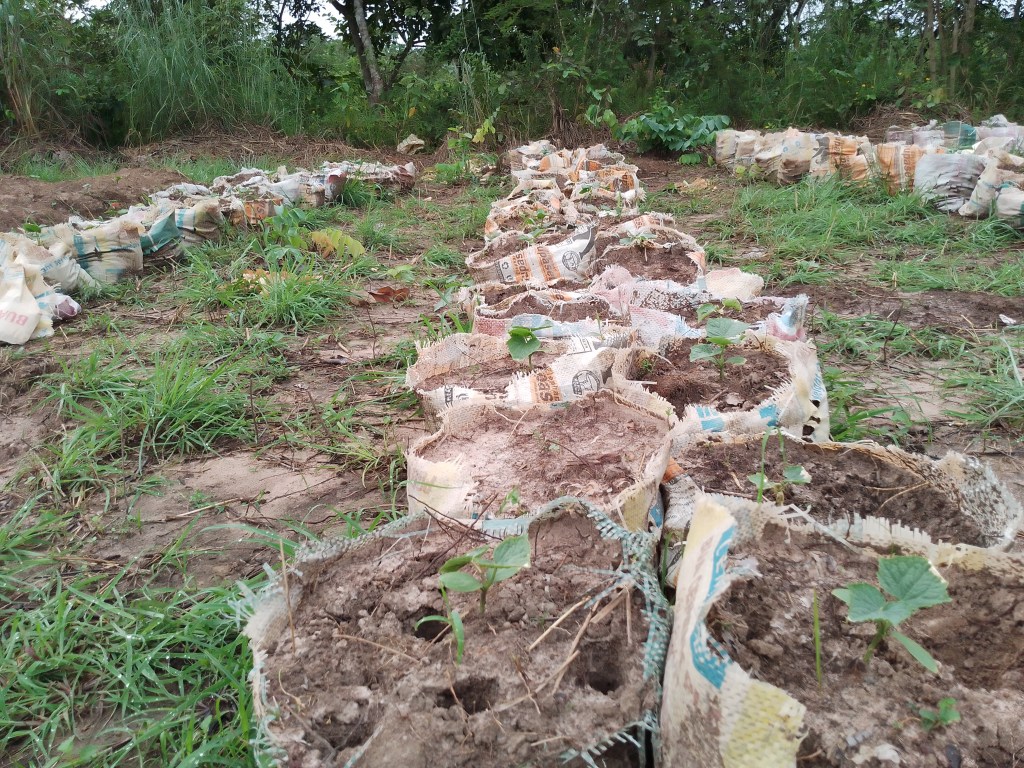
A recent example highlights the risks of skipping this step. A client decided to plant cucumbers in sacks using soil from her farm, despite being warned that her soil might be strongly acidic. She chose to go ahead without a soil test.
Today, she finally bought a pH meter, and the results confirmed my concern: her soil’s pH was 3.5, indicating strong acidity, including the soil used for her cucumbers in sacks. As a result, her cucumber plants, now 22 days old, are showing symptoms like stunted growth, yellowing leaves, and overall poor health. These issues are typical when soil is too acidic.
When soil pH falls below 5.5, essential nutrients like phosphorus, potassium, calcium, and magnesium become less available to plants, while toxic elements like aluminum and manganese become more soluble. Cucumbers, which grow best in soil with a pH between 6.0 and 6.8, struggle to thrive in such acidic conditions. A pH of 3.5 is far below what is suitable for cucumbers, leading to the nutrient deficiencies and stress that she observed.
This case serves as a reminder of why soil testing is so crucial before planting. It can help prevent crop failures, save time and money, and ensure that the right adjustments are made to create a healthy growing environment. Soil testing isn’t just a preliminary step, it’s a critical foundation for effective and sustainable farming.
 Paschal Farms International.
Leave a comment