-Ilewo, Ogun State, Nigeria.Paschal Nnaemeka, a well-known advocate for agricultural development and sustainability, has called on Nigerian farmers to strike a balance between the rising interest in soilless farming methods, such as hydroponics, and the more traditional soil-based agriculture that has long been the backbone of the nation’s food production. In a discussion directed at both rural and urban farmers, Nnaemeka shared his insights on the importance of leveraging Nigeria’s abundant land resources alongside adopting modern techniques.
Speaking from Ilewo, Ogun State, where he manages agricultural operations, Nnaemeka highlighted Nigeria’s vast stretches of arable land that remain underutilized. “We have an incredible opportunity to increase food production through traditional farming practices that have supported our communities for generations,” he noted. “Yet, at the same time, there’s a growing fascination with soilless farming and hydroponics, particularly in urban centers where space is a constraint.”
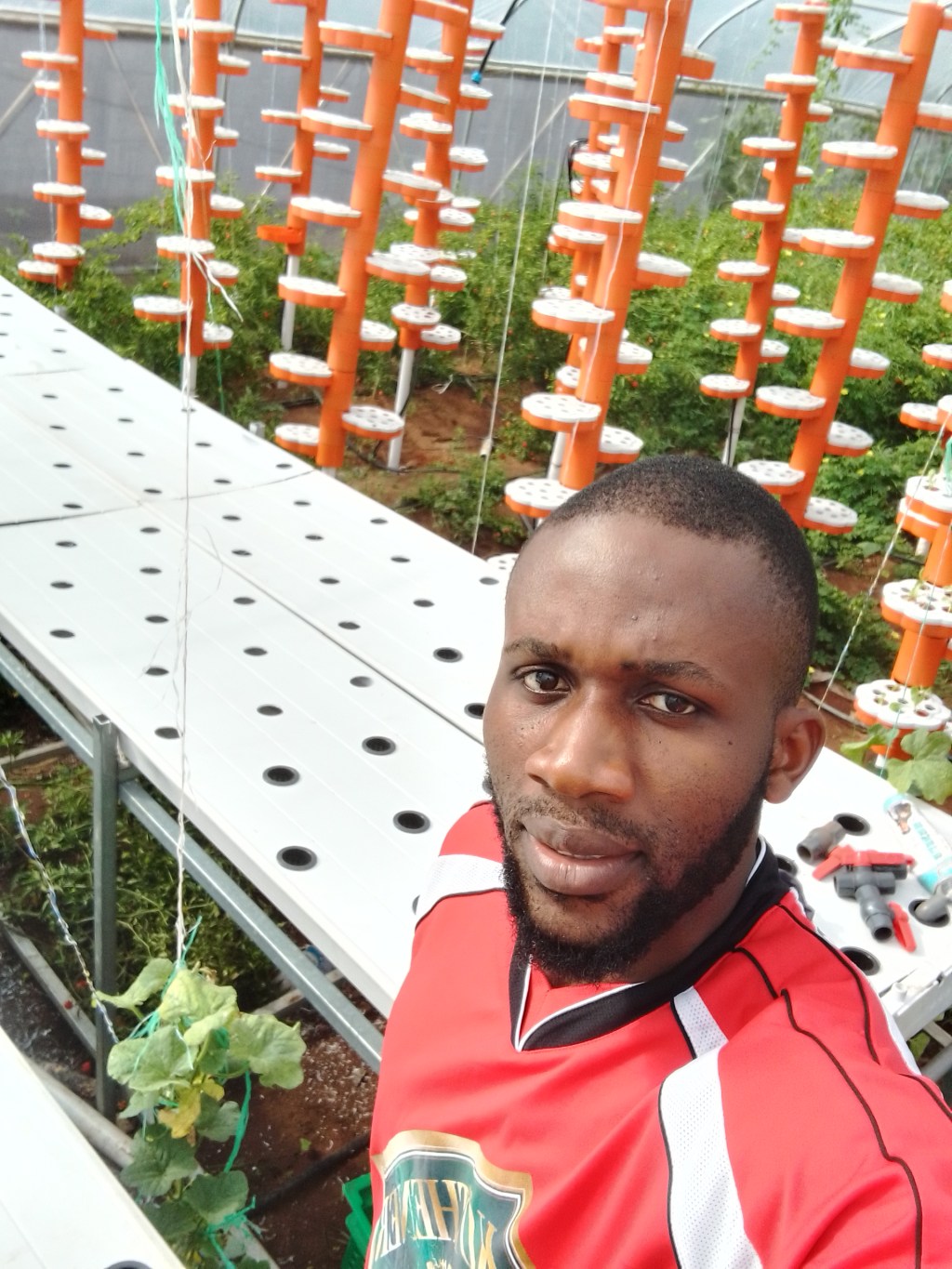
He acknowledged the appeal of hydroponic systems, emphasizing their potential for growing high-value crops like leafy greens, herbs, and vegetables in limited spaces. Nnaemeka explained that these systems offer advantages such as faster crop growth, efficient water use, and the ability to cultivate crops year-round. He noted that the technological integration seen in hydroponics, like automated nutrient management and climate control has drawn younger farmers to the practice.
However, Nnaemeka stressed that the high costs and technical expertise required for soilless farming can be prohibitive for many, especially those in rural areas. “Not every farmer can afford the setup and maintenance of a hydroponic system, especially when it comes to large-scale production of staple crops like cassava, maize, and yams,” he pointed out. “We should not overlook the value of our fertile lands for these larger crops that sustain our food supply.”
Nnaemeka urged a more strategic approach, suggesting that hydroponics should complement rather than replace soil-based farming. “Traditional farming should remain the backbone of our food security, especially in rural areas where we have the land and the workforce,” he advised. “But in urban centers, hydroponics can serve as a solution for producing fresh produce, reducing the distance between farm and table, and ensuring consistency even during off-seasons.”
He called for increased investment in rural farming infrastructure, improved soil management, and better access to mechanization to fully harness Nigeria’s agricultural potential. Additionally, he highlighted the need for training programs to equip farmers with skills in both traditional and soilless methods.
“The goal is not to choose one over the other but to find a balance that works for our diverse agricultural needs,” Nnaemeka explained. “By embracing both traditional land-based agriculture and modern innovations like hydroponics, Nigerian farmers can enhance food production, improve incomes, and contribute to our nation’s food security.”
As Nnaemeka continues his work in the field, he remains a vocal advocate for sustainable farming practices that adapt to Nigeria’s evolving agricultural landscape.
Expert Urges Nigerian Farmers to Balance Soilless Farming with Traditional Agriculture
Published by
on
Recent posts
Quote of the week
"People ask me what I do in the winter when there's no baseball. I'll tell you what I do. I stare out the window and wait for spring."
~ Rogers Hornsby
Paschal Farms International.
About
A passionate baseball fan blog celebrating America's favorite pastime.
 Paschal Farms International.
Leave a comment