Paschal Nnaemeka – As a crop scientist, I want to talk about something that’s crucial for all farmers: nitrogen. This nutrient is fundamental to plant growth and can make a big difference in your yields.
First, let’s look at why nitrogen is so important. Nitrogen is a major part of proteins, which are essential for all plant tissues. If your plants don’t have enough nitrogen, they can’t develop strong, healthy structures. Essentially, nitrogen is the fuel that drives vigorous growth in your crops.
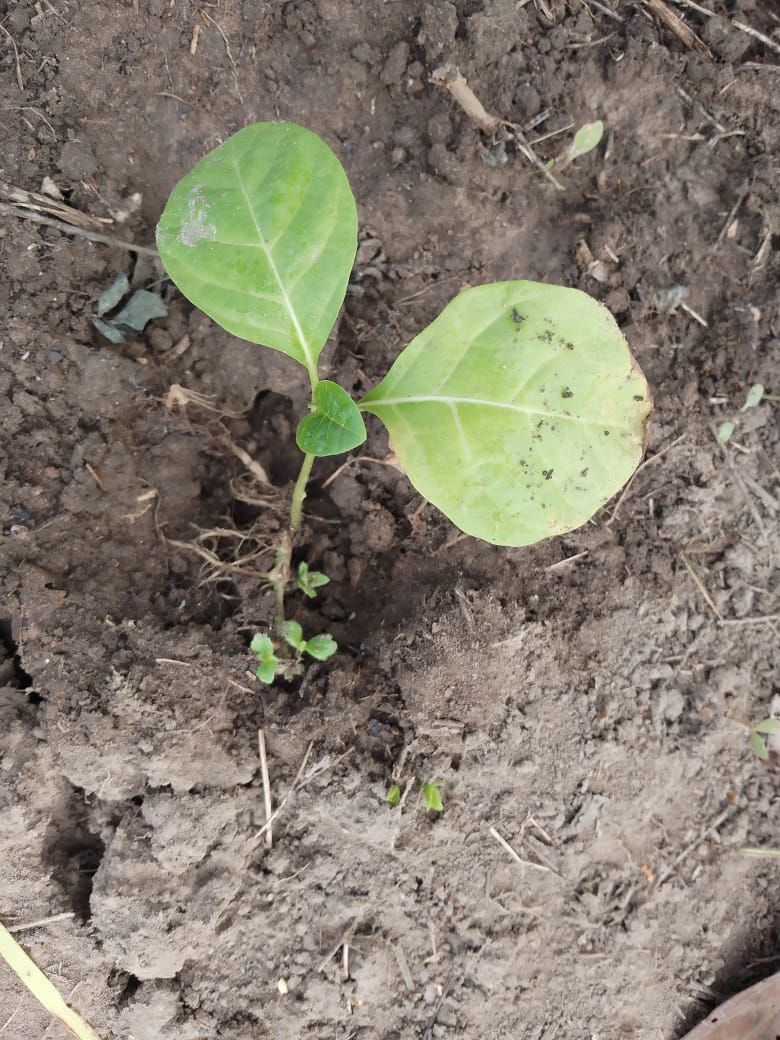
One of the most critical roles nitrogen plays is in producing chlorophyll, the green pigment in leaves. Chlorophyll is what allows plants to absorb sunlight and turn it into energy through photosynthesis. If your plants are lacking nitrogen, their chlorophyll production will suffer, and they won’t be able to harness sunlight effectively. This can lead to slower growth and lower overall health.
Now, why does this matter, especially when your plants are flowering? For a plant to produce a good harvest, it needs to be well-developed before it flowers. If it hasn’t received enough nitrogen in its earlier growth stages, the potential for a high yield will drop massively.
So, what can you do? Start by regularly testing your soil to check nitrogen levels. This will help you know how much fertilizer to apply and when. Using nitrogen fertilizers at the right times can boost your plant health and productivity. You might also consider planting legumes, which can naturally add nitrogen to the soil and benefit your following crops.
Keeping your crops healthy with the right amount of nitrogen is essential for achieving the best yields. By managing nitrogen effectively, you can enhance your crop production and contribute to sustainable farming practices.
Understanding the Importance of Nitrogen in Crop Production
Published by
on
Recent posts
Quote of the week
"People ask me what I do in the winter when there's no baseball. I'll tell you what I do. I stare out the window and wait for spring."
~ Rogers Hornsby
Paschal Farms International.
About
A passionate baseball fan blog celebrating America's favorite pastime.
 Paschal Farms International.
Leave a comment