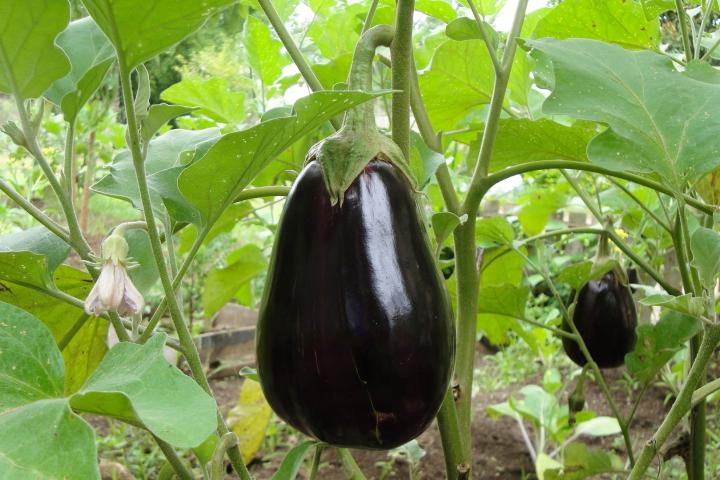
Eggplants are highly responsive to water management, particularly during the critical phases of fruit set and fruit development. The availability of consistent moisture during these stages is essential for producing well-formed and healthy fruits. When the plant experiences irregular or inadequate watering, it can lead to physiological stress, which manifests in deformed or oddly shaped eggplants. This is a common issue that arises from inconsistent moisture, as the plant’s growth and fruiting processes become disrupted.
To optimize fruit size and quality, managing the number of fruits per plant is equally important. Eggplants have a tendency to produce many flowers, but allowing too many fruits to develop simultaneously can strain the plant’s resources. By limiting the number of fruits to about five or six per plant, and pinching off the extra flowers as they appear, the plant can better allocate its energy and nutrients. This practice not only helps in producing larger fruits but also ensures that each fruit has optimal access to water and nutrients, leading to better overall yield quality.
In summary, successful eggplant cultivation hinges on maintaining consistent moisture levels during the most critical stages of fruit development. Additionally, careful management of the plant’s fruit load by removing excess flowers can lead to healthier, larger, and more marketable eggplants. This combination of proper irrigation and fruit management significantly enhances both the yield and quality of the crop.
Recent posts
Quote of the week
"People ask me what I do in the winter when there's no baseball. I'll tell you what I do. I stare out the window and wait for spring."
~ Rogers Hornsby
Paschal Farms International.
About
A passionate baseball fan blog celebrating America's favorite pastime.
 Paschal Farms International.
Leave a comment