In recent developments, the Federal Government of Nigeria, through the National Biosafety Management Agency, is advancing a new frontier in agriculture with the introduction of biotech potatoes resistant to late blight. This groundbreaking initiative, aimed at combating one of the most destructive threats to potato crops, has garnered significant attention within the agricultural community.
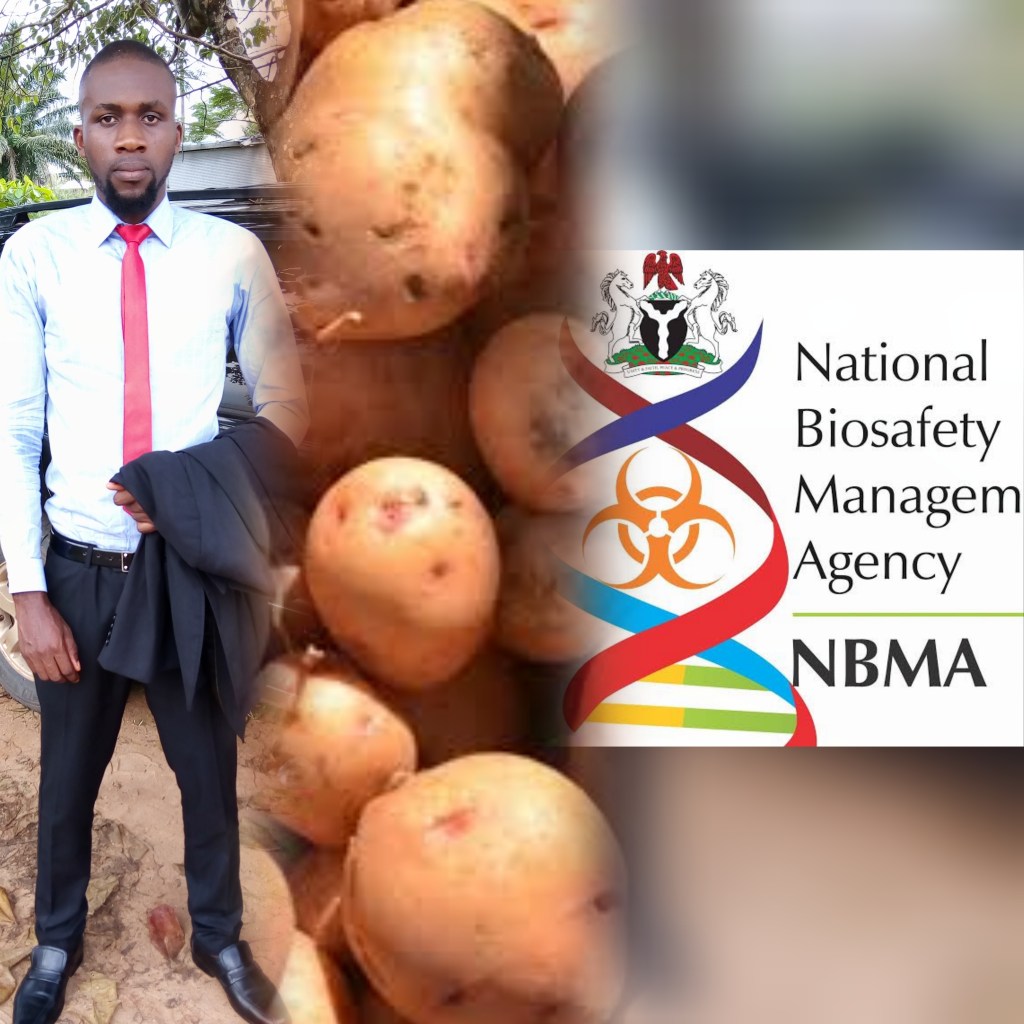
Paschal Nnaemeka, a seasoned crop scientist and agronomist, provides an expert perspective on this exciting development. Nnaemeka emphasizes that the biotech potatoes, which incorporate resistance genes from wild species, represent a major leap forward in addressing late blight—a pathogen that has historically decimated potato yields and severely impacted farmers’ livelihoods.
“Late blight has been a persistent challenge for potato farmers,” Nnaemeka notes. “The introduction of these genetically modified potatoes could fundamentally change the landscape of potato farming. By equipping crops with inherent resistance to this destructive pathogen, we not only enhance yield stability but also reduce reliance on chemical treatments.”
Nnaemeka underscores the importance of the ongoing efficacy trials conducted by the National Biosafety Management Agency. These trials are designed to ensure that the biotech potatoes meet rigorous safety and performance standards before they are made available to farmers.
“These trials are essential to confirm that the genetic modifications do not compromise the potatoes’ quality or safety,” he explains. “The rigorous oversight and testing are crucial to building trust and ensuring that these new varieties will benefit both farmers and consumers.”
For Nigerian farmers, the potential benefits of adopting these biotech potatoes are substantial. With reduced crop failures and lower costs associated with fungicide use, the new varieties could offer a pathway to greater financial stability and increased productivity.
“As we move towards the rollout of these biotech potatoes, it’s important for farmers to stay informed and consider integrating this technology into their practices,” Nnaemeka advises. “This innovation holds promise for more resilient and sustainable farming, which is crucial for ensuring food security in Nigeria and beyond.”
As the project progresses and the biotech potatoes become available, the agricultural community eagerly anticipates their impact on the future of potato farming in Nigeria.
Recent posts
Quote of the week
"People ask me what I do in the winter when there's no baseball. I'll tell you what I do. I stare out the window and wait for spring."
~ Rogers Hornsby
Paschal Farms International.
About
A passionate baseball fan blog celebrating America's favorite pastime.
 Paschal Farms International.
Leave a comment