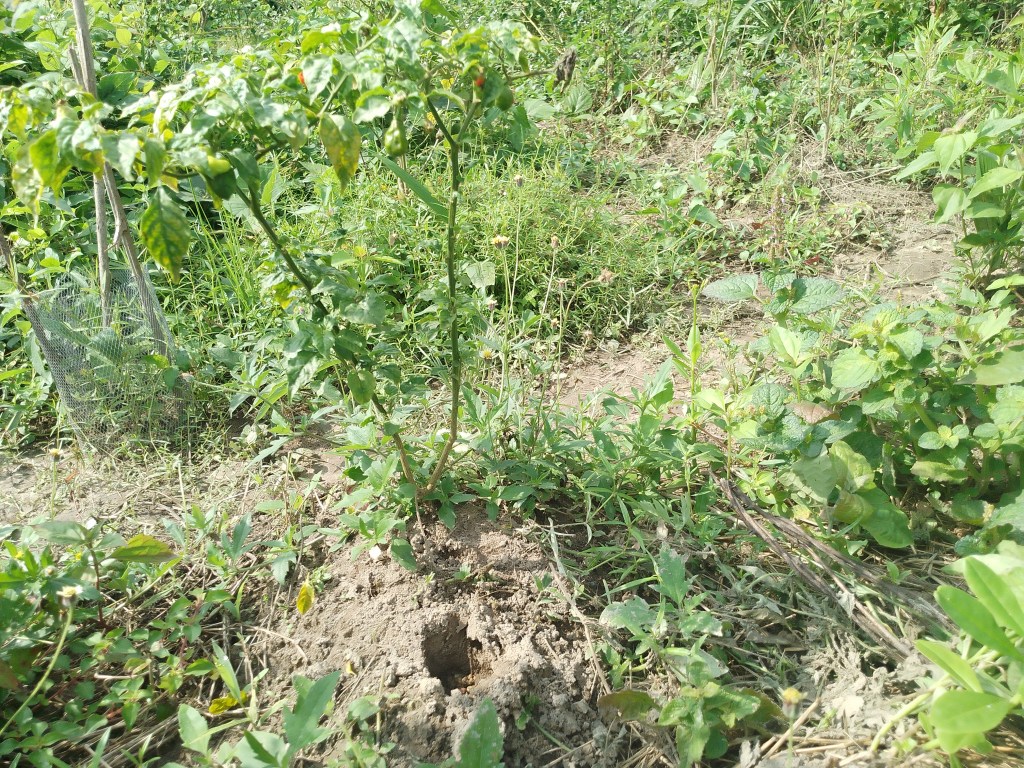
As a farmer aiming to maximize the productivity of your pepper farm, it is important to adopt fertilizer application methods that ensure nutrients are efficiently delivered to the crop. One highly recommended approach is **spot or deep placement** of fertilizers like **NPK 15:1:15**. This method involves carefully digging a small hole or furrow near each pepper plant and applying the fertilizer directly into the root zone.
The key advantage of deep placement is the precision with which nutrients are delivered to the plant’s roots, where they are most needed. Nitrogen, which promotes vigorous vegetative growth, and potassium, which enhances fruit formation and resistance to diseases, are essential for peppers. When applied directly to the root zone, these nutrients are immediately available for absorption, promoting better growth and a higher yield of quality fruit.
Additionally, deep placement reduces nutrient loss, a common issue with surface broadcasting methods, where rain or irrigation water can wash away or leach fertilizers, especially on sandy or sloped soils. By placing the fertilizer deeper in the soil, the chances of nitrogen volatilization and phosphorus fixation are reduced, making the nutrients more available to your crop over a longer period.
This method is particularly beneficial for smallholder or medium-scale farmers who want to make the most of their fertilizer investment. It requires less fertilizer than surface application methods and ensures that you’re getting the best value by directing the nutrients exactly where the plants can use them. Furthermore, because deep placement minimizes nutrient wastage, it also has environmental benefits, reducing the risk of runoff pollution.
Overall, for crops like pepper that require a balanced nutrient supply for optimal growth and fruit production, **spot or deep placement** of fertilizers is a smart, sustainable, and cost-effective strategy. This approach not only enhances crop yield but also improves the overall efficiency of fertilizer use, contributing to better farm profitability and environmental conservation.
Recent posts
Quote of the week
"People ask me what I do in the winter when there's no baseball. I'll tell you what I do. I stare out the window and wait for spring."
~ Rogers Hornsby
Paschal Farms International.
About
A passionate baseball fan blog celebrating America's favorite pastime.
 Paschal Farms International.
Leave a comment