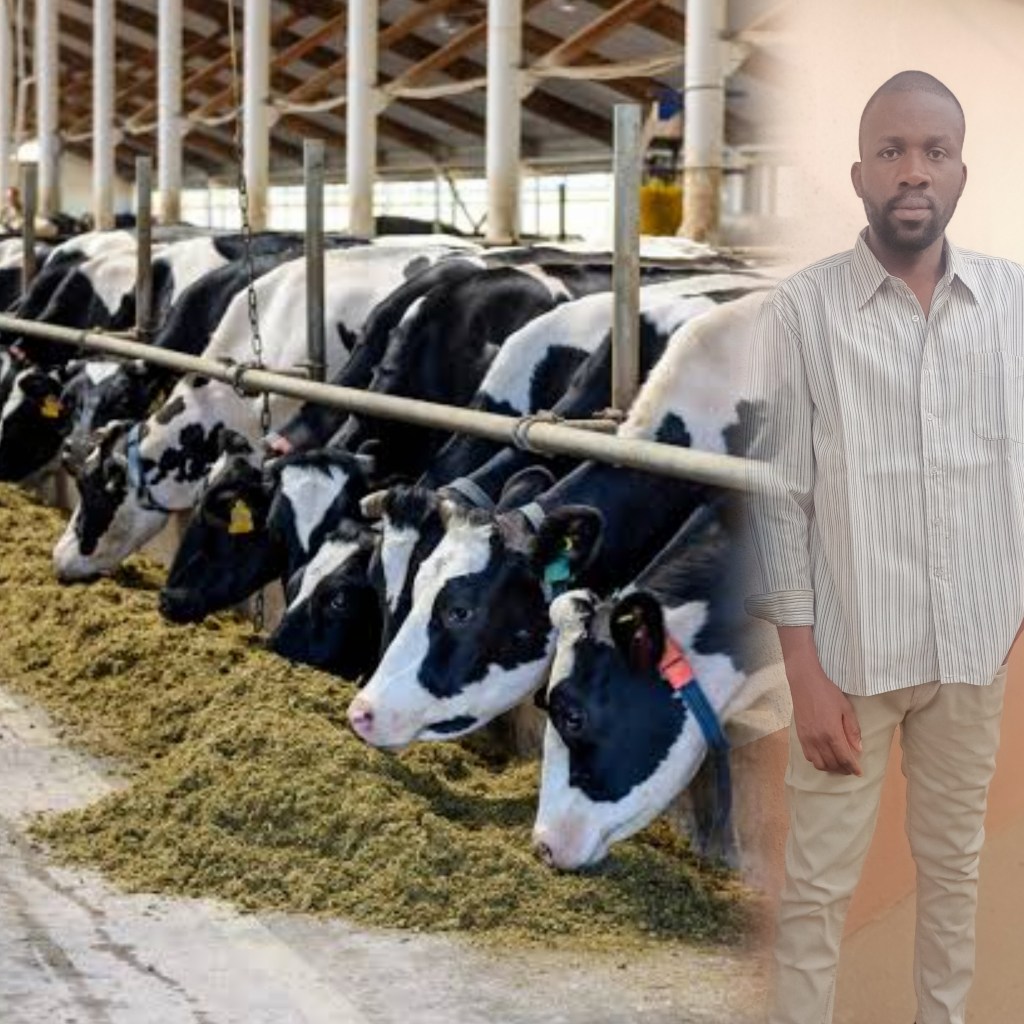
In a recent discussion, Paschal Nnaemeka, the CEO of Paschal Farms International, shared his insights on the steps that need to be taken to revitalize West Africa’s struggling local dairy industry. Nnaemeka, a seasoned crop scientist, agronomist and advocate for food security, outlined a comprehensive approach aimed at breathing new life into the sector, which is crucial for the region’s agricultural sustainability and economic stability.
Nnaemeka began by stressing the critical need to boost local dairy production through investments in modern farming techniques. He pointed out that traditional methods, while valuable, are not sufficient to meet the growing demand for dairy products in West Africa. According to Nnaemeka, adopting advanced technologies, such as improved breeding practices and precision farming, can increase milk yields and enhance the overall quality of dairy products.
In addition to production, Nnaemeka highlighted the importance of improving the supply chain. He noted that inefficiencies in the current distribution networks often lead to high levels of waste and spoilage, which not only reduce the profitability of dairy farming but also limit the availability of fresh dairy products to consumers. Nnaemeka called for investments in cold chain infrastructure and better transportation systems to ensure that dairy products reach the market in optimal condition.
Another key point was the need for innovation in dairy farming techniques. He encouraged stakeholders to explore new methods of dairy farming that are more resilient to the challenges posed by climate change, such as extreme weather conditions and fluctuating temperatures. Nnaemeka suggested that the use of climate-smart agriculture practices, including the integration of agroforestry and the cultivation of drought-resistant fodder crops, could help dairy farmers maintain productivity even in adverse conditions.
Nnaemeka also touched on the importance of fostering collaboration between various stakeholders, including farmers, government agencies, and private sector players. He emphasized that a coordinated effort is essential to address the challenges facing the dairy industry, such as access to finance, training, and market opportunities. According to Nnaemeka, creating platforms for dialogue and partnership can lead to the development of policies and programs that support the growth of the dairy sector and ensure its long-term sustainability.
While Nnaemeka did not unveil a specific strategy for revitalizing the industry, his insights provided a clear roadmap for what should be done. He called on all stakeholders to work together to implement these measures, stressing that the future of West Africa’s dairy industry depends on the collective efforts of everyone involved.
Nnaemeka’s insights reflects his deep commitment to the agricultural sector and his vision for a thriving, self-sufficient dairy industry in West Africa. As the CEO of Paschal Farms International, he continues to be a leading voice in the region, advocating for sustainable agricultural practices and the development of robust food systems that can meet the needs of the growing population.
Proposed Measures to Revitalize West Africa’s Local Dairy Industry – Paschal Nnaemeka
Recent posts
Quote of the week
"People ask me what I do in the winter when there's no baseball. I'll tell you what I do. I stare out the window and wait for spring."
~ Rogers Hornsby
Paschal Farms International.
About
A passionate baseball fan blog celebrating America's favorite pastime.
 Paschal Farms International.
Leave a comment